Fairy Chimneys in Cappadocia
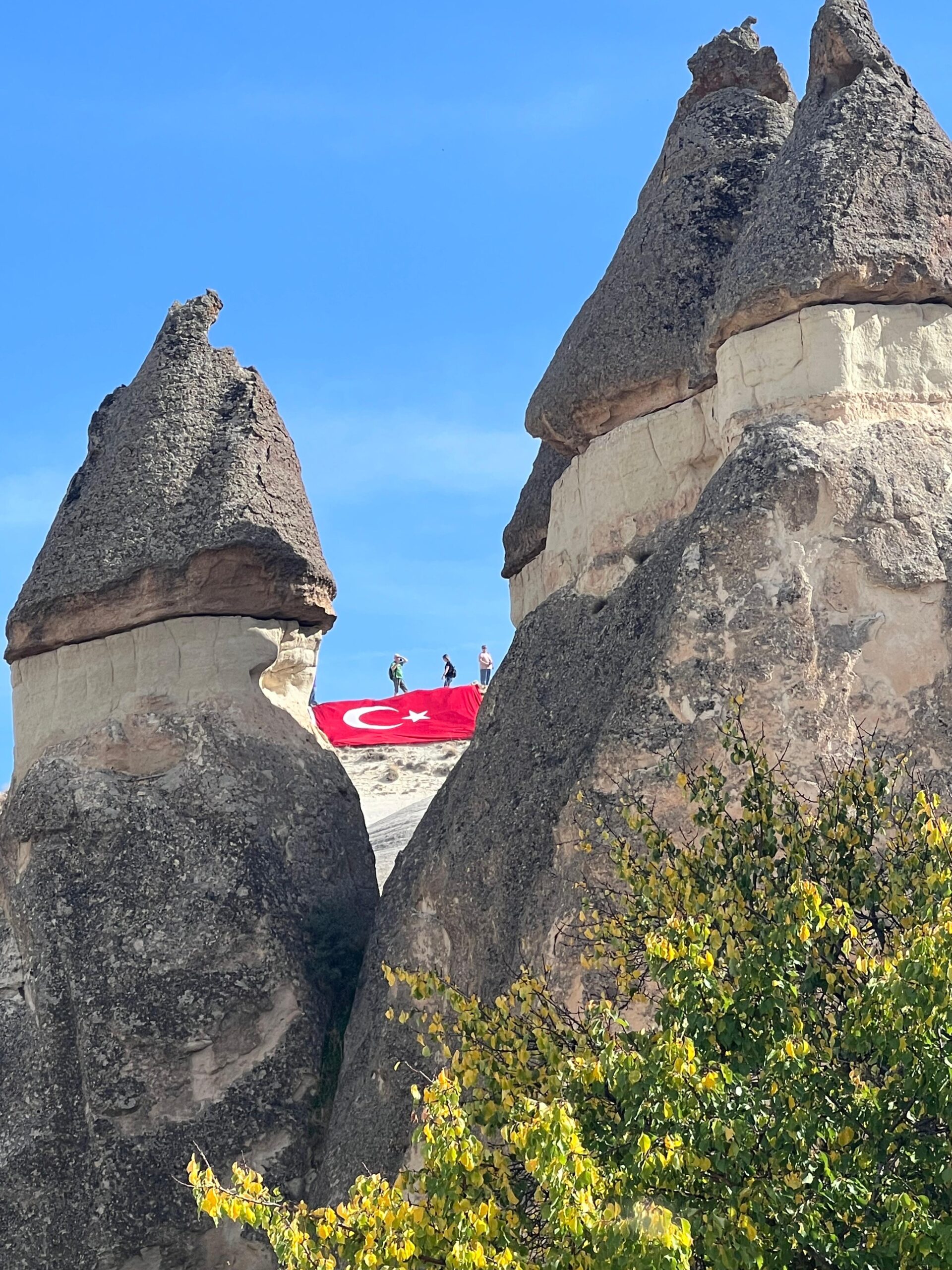
The fairy chimneys are the most iconic natural wonders of Cappadocia, Türkiye. These surreal, towering rock formations have made the region world-famous, often featured in hot air balloon photos and travel magazines.
What Are Fairy Chimneys?
Fairy chimneys (Turkish: Peri Bacaları) are tall, thin rock spires, typically with a conical shape and a “cap” on top. They can reach up to 40 meters (130 feet) in height.
They were formed through millions of years of erosion, combining:
Volcanic eruptions (from Mt. Erciyes and Mt. Hasan) that covered the region with ash, which solidified into soft tuff.
Harder basalt rock on top protected the softer tuff underneath from erosion.
Wind and water wore away the soft layers, leaving behind the pillar-like shapes we see today.
Charles Texier (1802–1871) was a French historian, archaeologist, and explorer who played a significant role in bringing not only Cappadocia but also fairy chimneys to the attention of Western Europe in the 19th century.
Why “Fairy” Chimneys?
Local folklore imagined that these formations were created by fairies or spirits. Legends claimed they were homes of mystical beings or hiding places for supernatural creatures.
Where to See the Best Fairy Chimneys in Cappadocia?
Fairy chimneys come in several distinct shapes and types, formed by varying erosion patterns and the hardness of volcanic rock layers.
Here’s a quick overview where fairy chimneys you’ll find:
How These Shapes Form?
The hard basalt rock caps protect the softer volcanic tuff underneath. Over time, wind and water erosion wear away the soft layers. Different erosion rates and rock hardness produce the variety of shapes.