Visiting an Underground City
Underground cities have been constructed across many civilizations and continents throughout history, usually as refuges, storage areas, or religious sanctuaries.
Historical background of underground cities
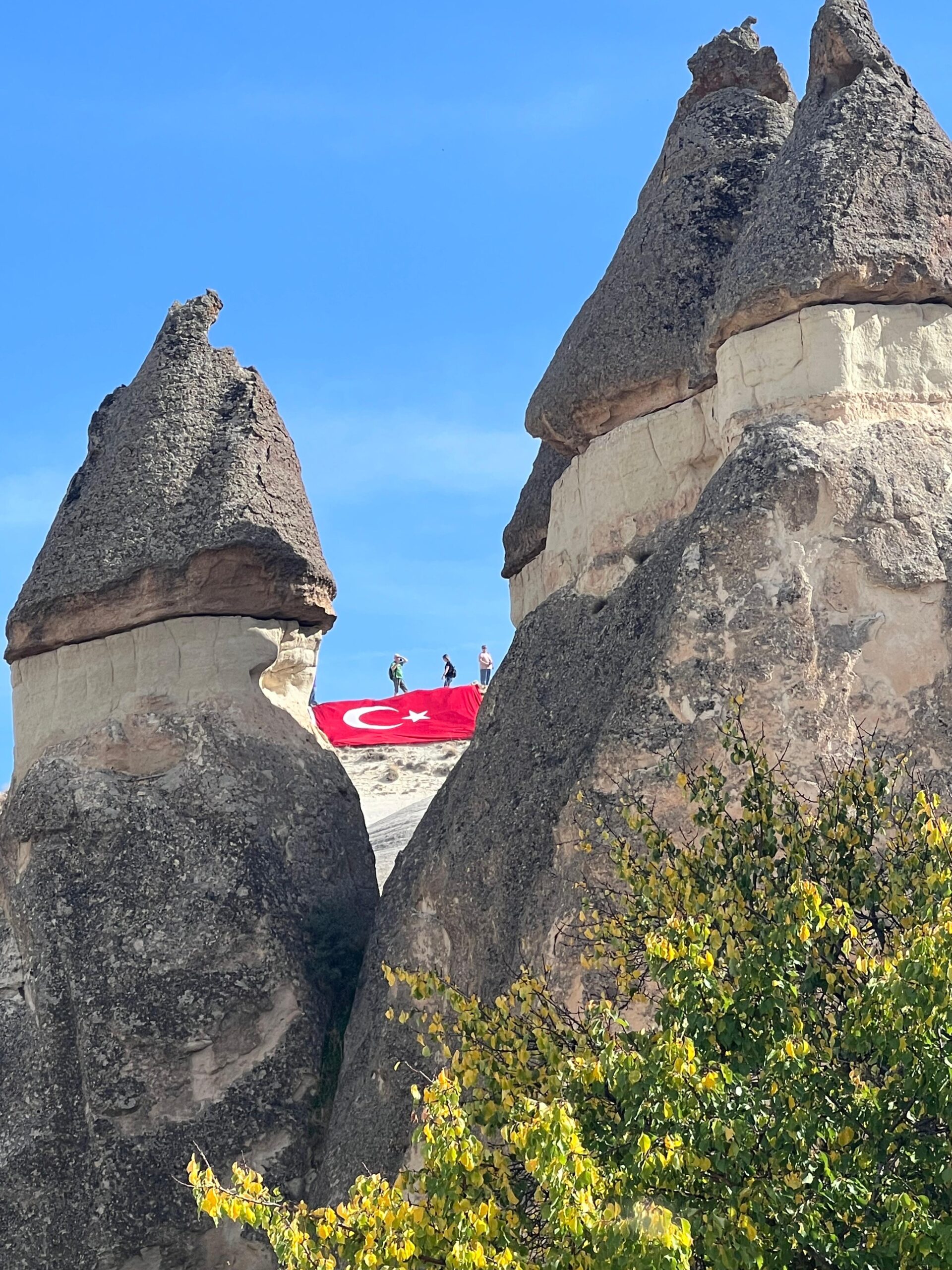
Cappadocia, in central Anatolia, is famous for its surreal landscape, but beneath the surface lies an equally incredible world — hundreds of underground cities carved from soft volcanic rock. These cities served as refuges, homes, and places of worship for thousands of years. The Phrygians and Hitties, ancient Anatolian people, are believed to have started carving underground spaces for storage and protection.
Early tunnels and small rooms evolved into larger interconnected structures.
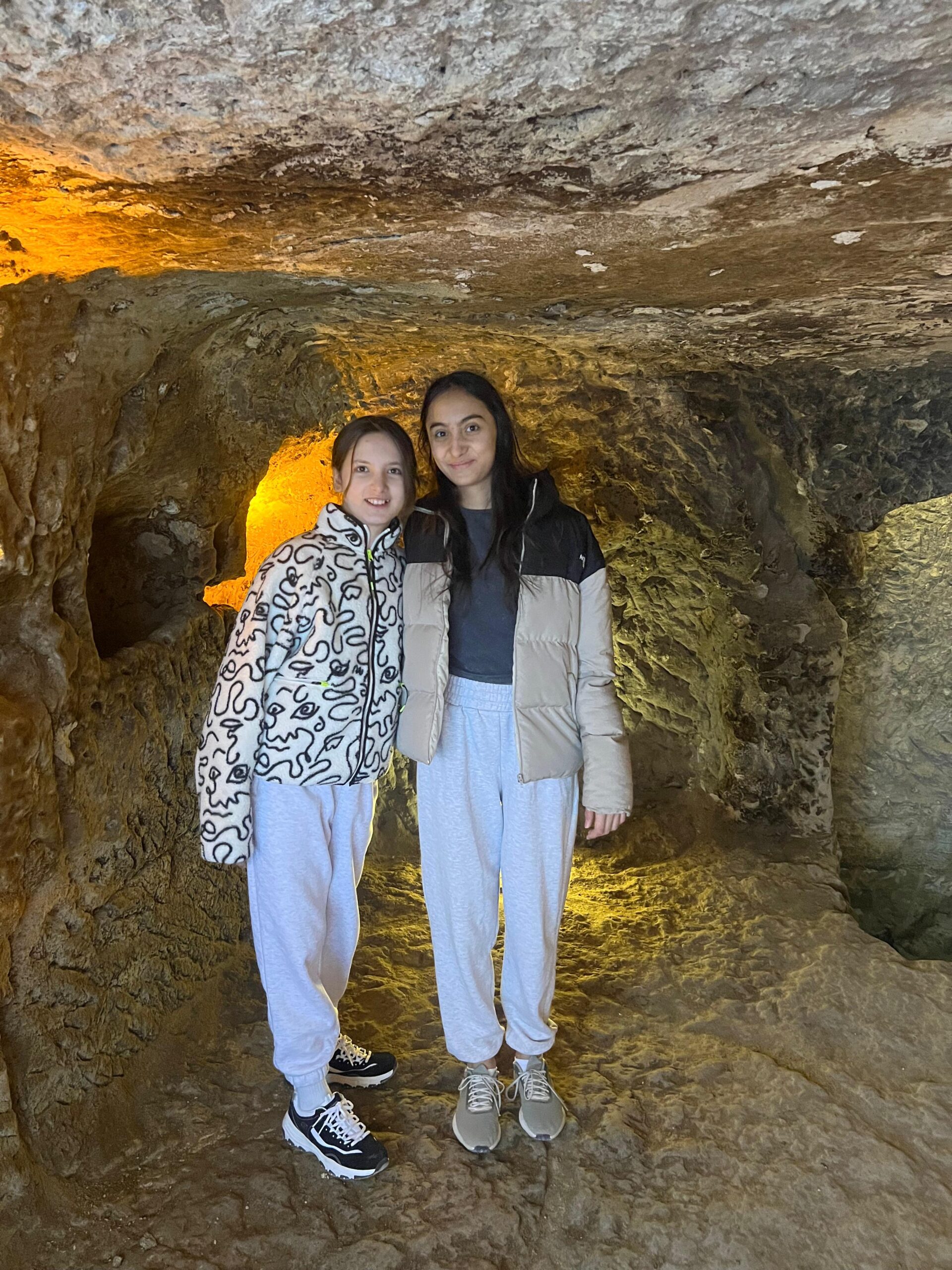
In 1963, a man renovating his home in the town of Derinkuyu broke through a wall and discovered part of a vast underground city.
Christians in Cappadocia
The most popular places in Cappadocia is obviously Göreme or Uçhisar.
During the Roman Empire, early Christians fled persecution and retreated to Cappadocia, using its underground spaces as hidden churches and shelters.
By the Byzantine era, cities like Derinkuyu and Kaymakli had become vast, multi-level urban complexes underground. These expanded over time to include:
Arab–Byzantine Conflicts
Arab raids during the early Islamic expansion led to further use and fortification of underground cities. Stone doors were installed that could only be opened from the inside. Ventilation shafts and wells allowed residents to stay underground for weeks or months without going outside.